Discover the good Apps to customize your Android and provide safe APK to download.
In this time where proactive health management is seen as more and more important, Brain Test: Alzheimer’s really sits in a specific and purpose driven spot inside the health and wellness app crowd. It isn’t just another brain training thing, it feels more like a crafted little tool for people who worry about memory , and for their families, also for caregivers trying to understand the messy parts of cognitive well being. The whole point is to make early awareness easier to reach but still kind and respectful, so you can bring a clinically informed lens into your normal day routine, without it feeling cold or intimidating.
The app is built to help with early detection of Alzheimer’s disease and dementia, using AI powered cognitive checkups. It basically looks at how strong certain brain abilities are, and then it points out possible warning signals. With that, users can take steps sooner, not later. Each time someone takes the test, their results are compared to earlier ones , and if meaningful shifts show up, they are nudged to talk to a doctor.
For the cognitive tests, it includes practical tasks like drawing a clock , and repeating a sequence of words. These are simple, but they’re meant to gauge processing speed, selective focus, and memory recall. Users can also share results straight with a doctor, which may help with Alzheimer’s and dementia detection.
Beyond the tests, there’s accessible information plus brain health tips about Alzheimer’s disease and healthy aging habits. So it adds an educational layer, not only a “test and done” experience. There’s also a caregiver support mode which gives guidance for family members on how to support someone, and how to use the app together in a smoother way.
The interface is made with older adults in mind, it stays calm and uncluttered, and navigation is easy. Large buttons and very clear instructions keep it from feeling overly medical. It’s now on Android, and it comes from a Canada based team focused on dignified, user centered aging technology.
The app has been downloaded over 5,000 times on Google Play, however the rating info does not show on the platform. Also, because it isn’t available on the iOS App Store, there’s no fair way to compare its performance across both major stores.
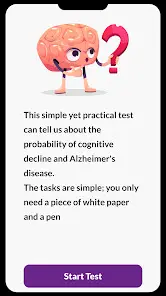
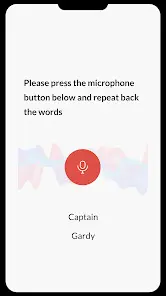
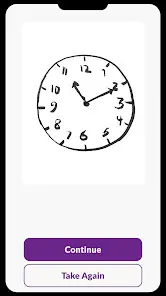
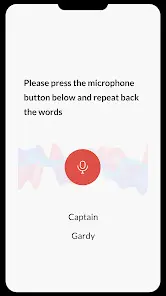
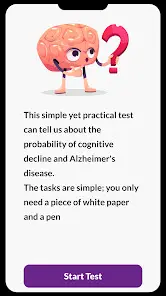
The app has improved its simple cognitive test aimed at spotting dementia in the very early stages.
After longer use of Brain Test: Alzheimer’s, the app’s biggest advantage is how simple it stays and how tightly it stays focused. Onboarding is smooth, and it needs basically no setup, which makes the cognitive activities feel reachable instead of stressful. That matters a lot for the people it targets. The clock drawing task and word recall exercises are familiar screening tools in clinical areas , so the app feels more legitimate scientifically than a lot of rivals.
The progress tracking over time is especially useful. Being able to watch how scores shift across weeks and months gives you insight that one single test can’t really deliver. The educational material is not super deep, but it is written clearly and it lands at the right level for non specialists.
Still, there are downsides. The test variety is pretty narrow, so after a while, repetition can start to feel dull. Another issue, mentioned in app store disclosures, is that there is no data encryption, and that creates real privacy anxiety for something health related. Also, even though the app repeatedly reminds people it is not a diagnostic tool, some users may not fully absorb that boundary. In general though, Brain Test: Alzheimer’s works well as a supplemental cognitive monitoring companion, best used as a conversation starter with healthcare staff, not as a standalone health solution.
Pros
1. Clean, easy interface that fits less tech savvy older adults.
2. Longitudinal tracking shows meaningful cognitive patterns over time.
3. Clock drawing and similar tasks are clinically grounded, which adds scientific credibility.
4. Caregiver mode is clearly dedicated, and it supports families in a thoughtful way.
5. Free to download, with no annoying ads interrupting the experience.
Cons
1. Very limited test variety, so long term use can feel repetitive fast.
2. No data encryption, which is a serious problem for sensitive health information.
3. Results might spark extra anxiety if users don’t get proper professional context.
4. The app can not replace a formal clinical diagnosis or neurological evaluation.
5. Educational resources help, but they stay relatively brief and shallow.
 Check All Versions
More Like This
More >>





Additional App Information
-
Category:Health & Fitness
-
Update:Jan 18, 2023
-
Size:6.7MB
-
Requirements:Android 5.0 and up
-
Developers:
Discover Apps





Top Downloads
-
 WhatsApp MessengerCommunication4.3

-
TelegramCommunication4.3
-
Bigo Live - Live Streaming AppSocial4.4
-
Google Play StoreTools5.0
-
YouTubeVideo Players & Editors4.2
-
Walmart Shopping & GroceryShopping4.7
-
Discord: Talk, Chat & Hang OutCommunication4.5
-
WEBTOONComics4.8
-
MeetMe: Chat & Meet New PeopleSocial3.4
-
Tango – Live Streams & Live Video Chats: Go LiveSocial4.5